



Italo-Romance Texts Written in non-Latin Characters from the Middle Ages to Modern Times
Project Presentation
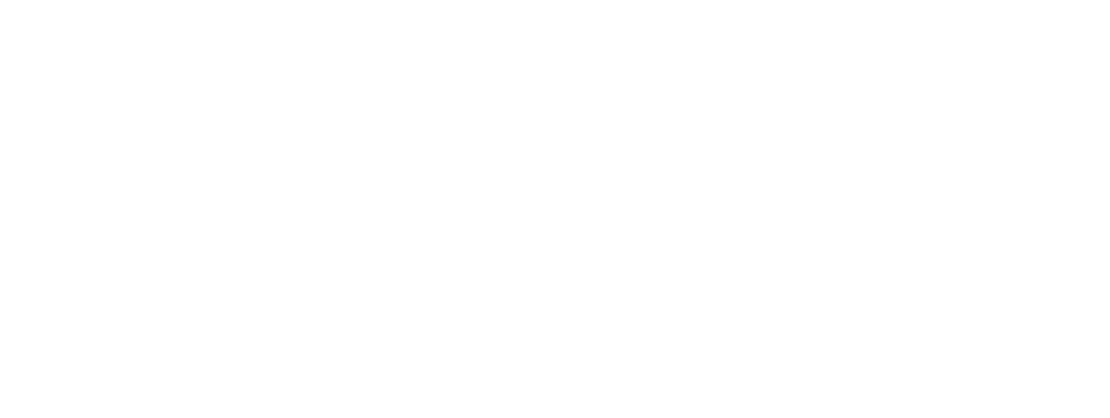
The Manuscripta Italica Allographica (MIA) project represents the first digital investigation of the linguistic-cultural phenomenon of allography in the Italo-Romance context, from the Middle Ages to the early modern period.
The practice of writing a language using scripts from other languages is, in fact, widespread among a significant number of social groups, such as the Greek communities in southern Italy and the Jewish communities scattered throughout the peninsula. In addition to texts in Greek and Hebrew characters, it is also necessary to mention the varieties of Italo-Romance written in Arabic, Armenian and Syriac characters.
Due to their geographical and cultural affinity with the rest of the documentation, two ancient Sardinian documents written in the Greek alphabet are also included in the register, despite the fact that Sardinian is unrelated to the Italo-Romance linguistic domain.
Despite the graphic, chronological, and typological differences, allographic texts share characteristics that allow for in-depth analyses of writing practices. The materials collected and catalogued in the MIA database thus provide valuable information regarding textual strategies, discursive traditions, formulaic expressions, and – as in the case of volgarizzamenti – specific translation techniques.
The scientific value of the allographic corpus is significant both in the History of the Italian language and in the literary field. Some of these manuscripts testify to the earliest instances of the Sicilian, Calabrian, and Salento dialects, as well as the spread of genres such as the courtly love poetry in Salento (ms. Laur. Plut. 57.36) and the Judeo-Italian elegy in multiple locations.
Discussing ‘allography’ also means repositioning one’s point of view, engaging with the cultural identities of minorities that used alphabets other than the Latin one, and their relationships with broader societies.
The project involves the creation of an open-access survey of all allographic manuscripts in Italo-Romance, consisting of descriptive entries regarding their material, textual, paleographic, and linguistic profiles. In addition, the Editions section, which will be expanded in the future with other texts, hosts the first digital edition of an unpublished Greco-Roman text: the shipbuilding manual, ms. Oxford, Bodleian Library, Laud Gr. 23.
The aim of MIA is to restore the centrality of texts generally overlooked by philologists and linguists, aware that the study of allography significantly contributes to the reconstruction of the cultural contexts from which it originates, as well as to progress in historical-phonological and lexicographical fields. In this direction, the study and publication of allographic manuscripts will also enable the integration of new knowledge into the repertory of Italian forms by OVI.
Currently, over 120 descriptive records of texts and manuscripts are available on the website. The catalog is almost exhaustive for the oldest texts (prior to 1300), and will be further enriched with new records, already drafted as part of the project and currently under review.